

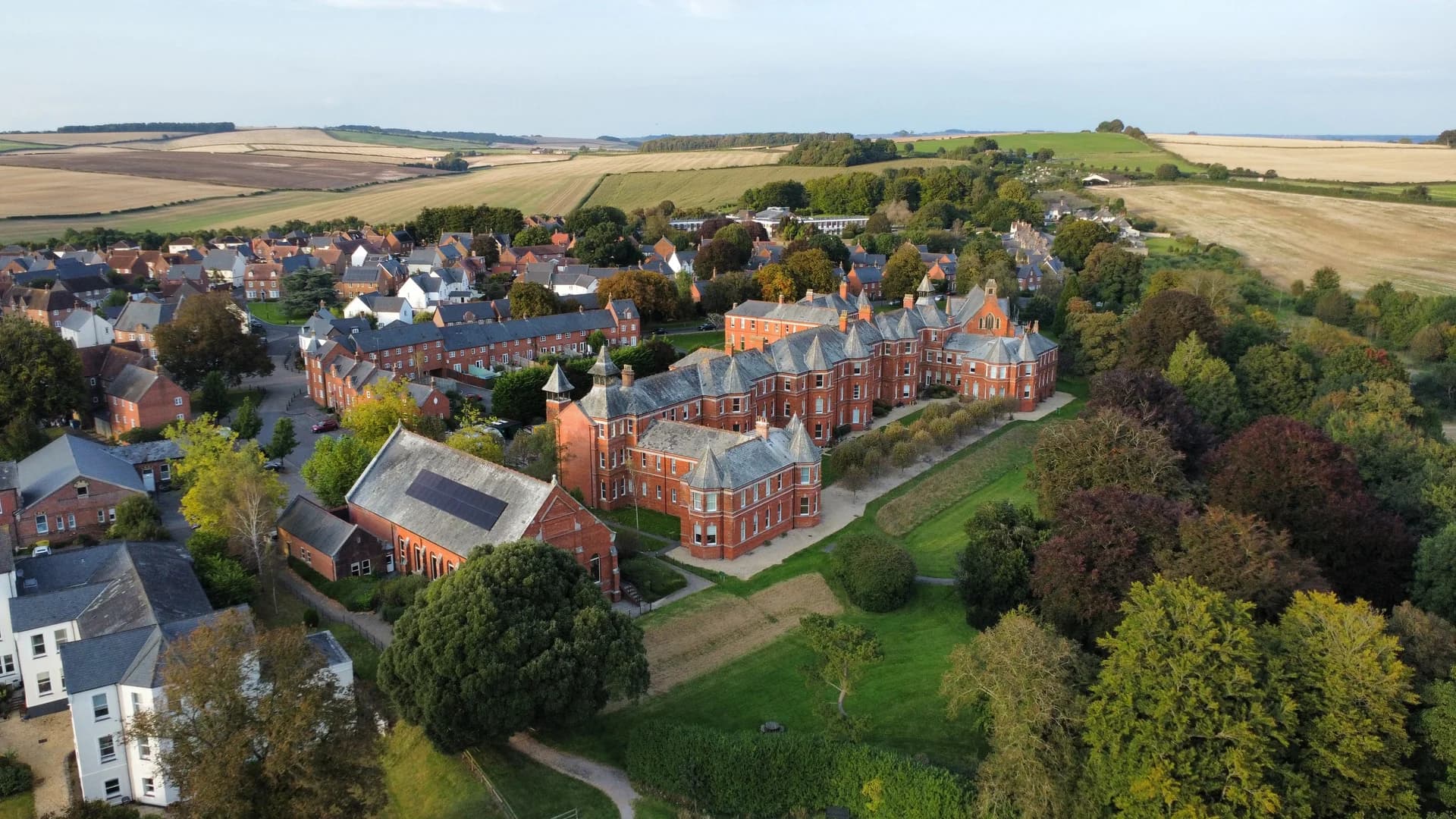
Dorchester or the Villages? A Guide to the Surrounding Area
Plenty of buyers arrive set on Dorchester itself and leave having bought in a village a few miles out, or the other way around. The county town and the parishes around it offer quite different lives, and the right choice depends on how you actually spend your week rather than how a place looks on a Sunday drive. Here is an honest look at the trade offs and a tour of some of the villages worth knowing.
Town or village
Dorchester gives you everything within reach: two railway stations, the hospital, Brewery Square, the Wednesday market, schools including the Thomas Hardye School, and a walkable centre. You pay for that convenience in price per square foot and in having neighbours close by.
The villages trade some of that convenience for space, quiet and, often, a stronger sense of a single community. What you give up varies a lot from one to the next. Some have a shop, a pub and a primary school. Others have a church, a bus a few times a day and little else. Neither is better. They are different, and the difference is the whole decision.
A few villages worth knowing
Charminster sits just north of Dorchester on the River Cerne, close enough that you can walk into town yet still clearly a village, with a church, a pub and a primary school. It tends to suit buyers who want village life without cutting themselves off.
Stinsford and Higher Bockhampton, just east, are Thomas Hardy country in the most literal sense. His birthplace cottage sits in the woods here in the care of the National Trust, and his heart is buried in Stinsford churchyard. Quiet, green and steeped in the landscape that shaped his writing.
Cerne Abbas, further north, is a destination in its own right, known for the chalk giant on the hillside above it and the remains of its abbey. It has pubs, a handful of shops and a lot of history, and prices reflect its pull.
Puddletown, east of Dorchester off the A35, is a larger village with its own amenities and an easy run into town. It appears as Weatherbury in Hardy's novels.
Maiden Newton, to the northwest, has something most villages do not: its own railway station on the line towards Yeovil and Bristol. For anyone who wants country life and a train, that is a genuine advantage.
Martinstown, southwest towards the Iron Age hillfort at Maiden Castle, along with the smaller Winterborne villages, gives you open downland on the doorstep and a real feeling of being out of town.
There are many more, from Broadmayne and West Knighton in the south to Stratton and Charlton Down in the north. Each has its own character, and it is worth spending time in one before deciding it is home.
What to check before you buy in a village
Village property comes with questions that rarely arise in town. Broadband speeds can vary sharply from one lane to the next, so check the actual line rather than the postcode average. Many older village homes run on oil rather than mains gas, which changes your running costs and your boiler choices. Look at where water sits after heavy rain if the property is near a stream or the flood plain of the Frome or the Cerne. Ask about the bus timetable if you will rely on it. And a good number of village houses are listed or sit in a conservation area, which affects what you can change.
None of these are reasons to avoid village life. They are simply the things that catch buyers who move out from a town and assume everything works the same way.
Getting the balance right
If your week depends on the station, the hospital or the school run, the town or a well connected village like Charminster or Maiden Newton earns its keep. If you want space, dark skies and a slower pace, and you are set up to drive, the smaller villages reward you. Most buyers land somewhere in between.
I cover Dorchester, Poundbury, Weymouth and the villages across this part of Dorset, and I am happy to talk through where might fit before you spend weekends viewing. Knowing the area is half the battle in getting the move right.